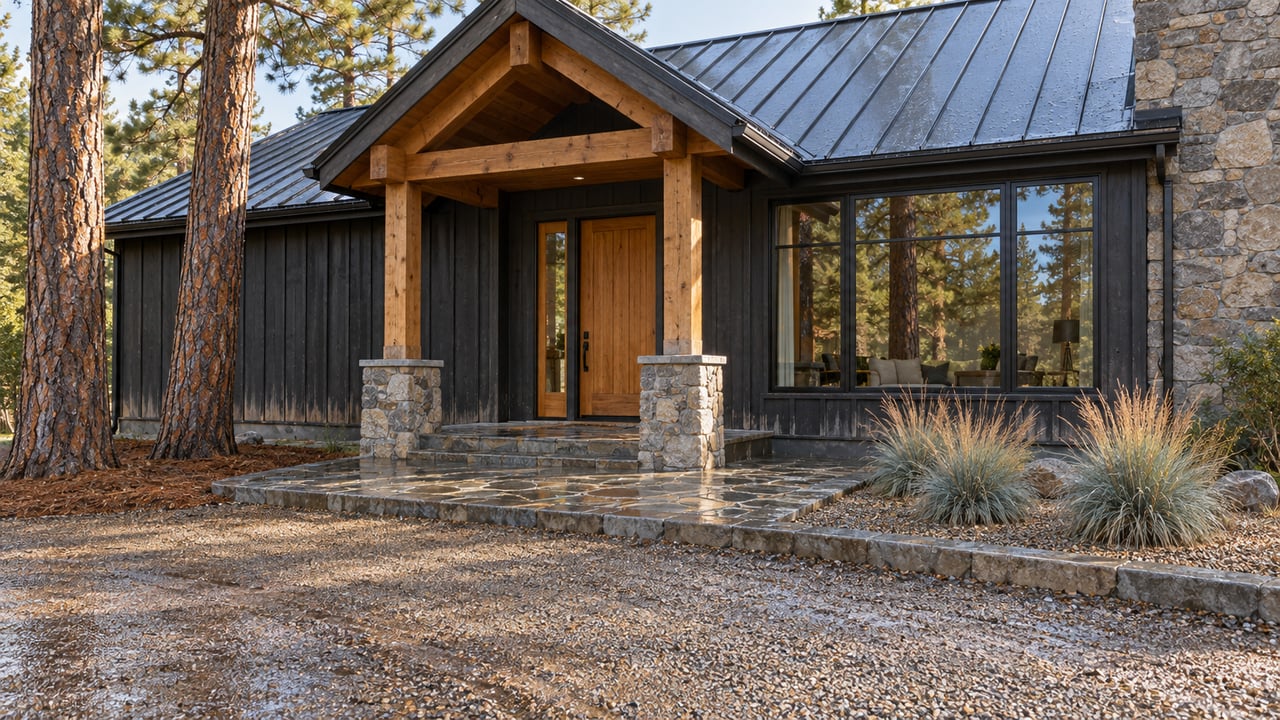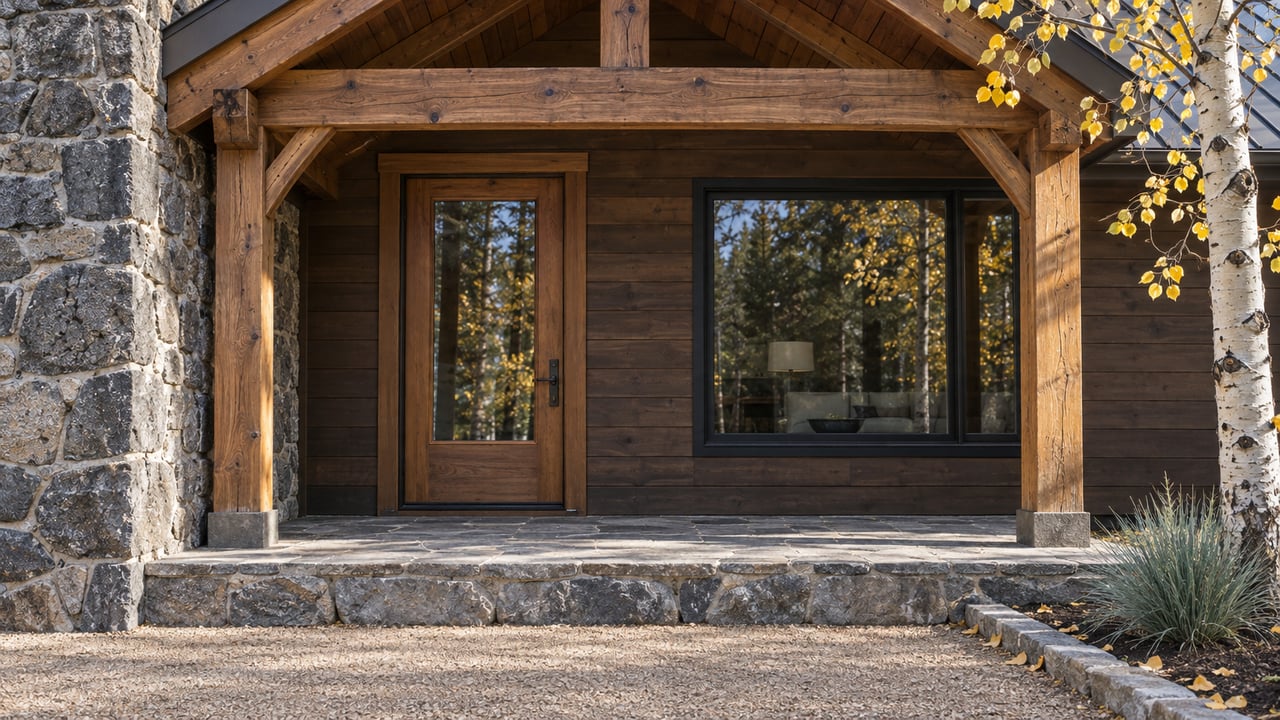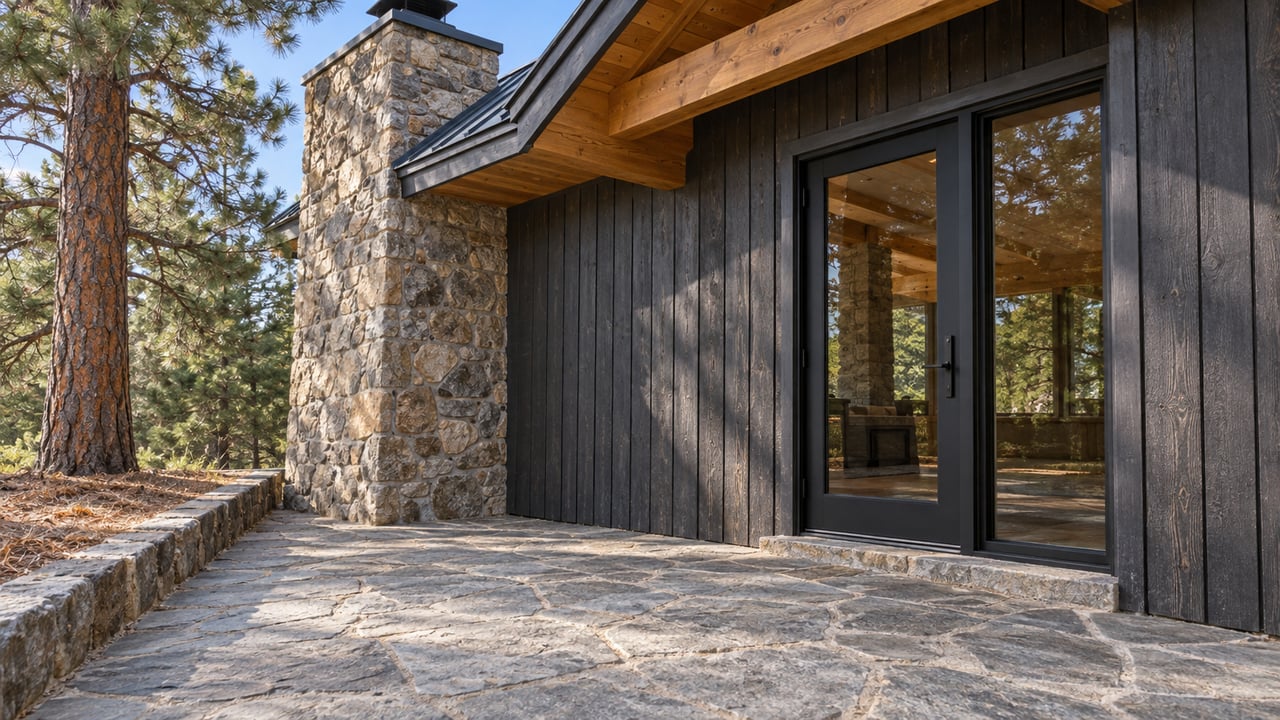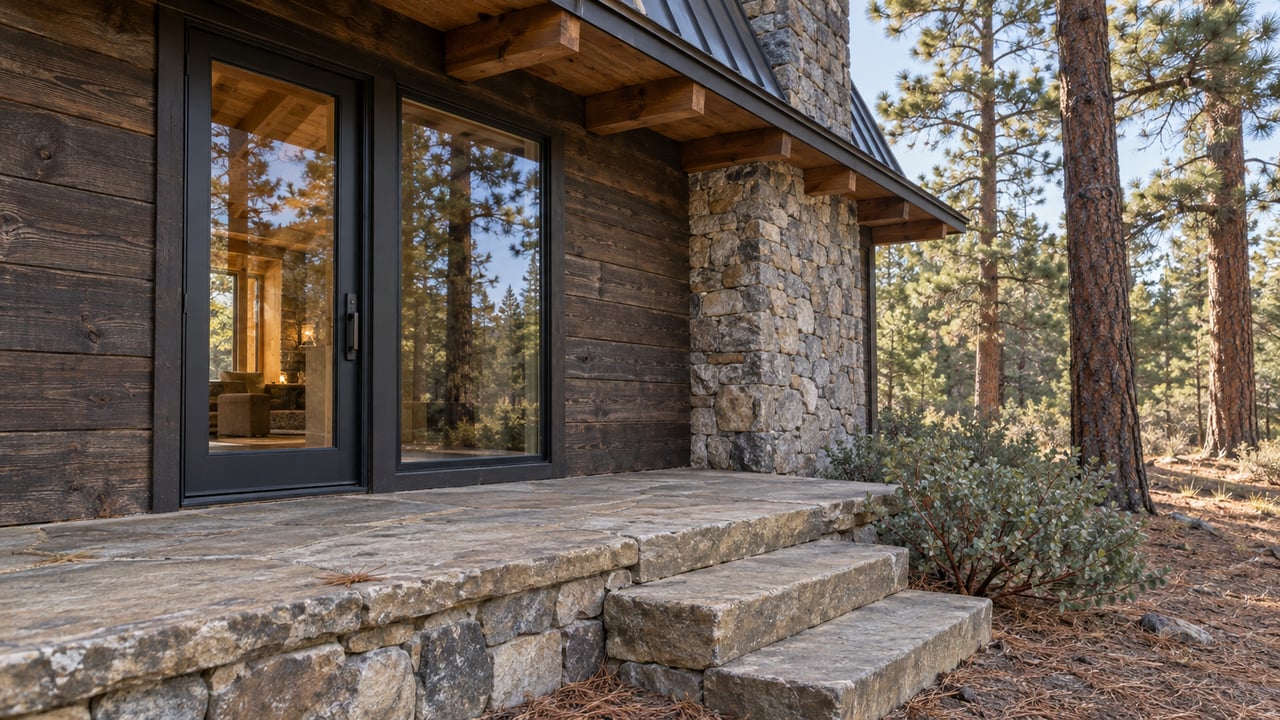
A buyer calls with a plan that sounds airtight. Close on a three-bedroom cabin near Woodland Lake, get the Arizona Transaction Privilege Tax license, apply for the town's rental permit, and start booking weekends before ski season. Every box on every checklist gets checked. Then a neighbor mentions, almost in passing, that the subdivision voted last spring to require minimum stays.
Nothing in state law stopped that plan. Nothing in the Town of Pinetop-Lakeside's ordinance stopped it either. The subdivision's own governing documents did.
That gap between what protects you and what quietly overrides it is the thing worth understanding before you write an offer on a rental cabin here, not after.
Three Separate Rulebooks, Not One
Arizona built one of the most short-term-rental-friendly legal frameworks in the country back in 2016, when the legislature passed Senate Bill 1350. Codified at A.R.S. § 9-500.39, the law bars cities and towns from prohibiting vacation rentals or restricting them based on how often or how long they're rented. A 2022 amendment, Senate Bill 1168, handed some narrow authority back to municipalities: permits, insurance minimums, neighbor notification, that kind of thing. But the core protection survived. A town in Arizona cannot tell you that you're simply not allowed to rent your house by the night.
A homeowners association can.
State preemption binds cities and towns. The Arizona Senate Research Staff explains that declarations may include rental time restrictions and that CC&Rs form an enforceable contract between an HOA and a homeowner who buys into the development. So the honest answer to "can anyone stop me from renting nightly in Pinetop-Lakeside" has two parts: the town, no; your specific HOA, possibly, and you won't find that answer on any state statute page.
What the Town Actually Requires
The Town of Pinetop-Lakeside adopted its rental licensing framework through Ordinance No. 23-461 after a unanimous council vote on March 16, 2023, adding Chapter 5.28 to the town code. Show Low runs a separate system under Chapter 16.55, adopted roughly a year later. The two towns share a state framework but differ in the details, which matters if you're comparing properties across the town line.
| Requirement | Pinetop-Lakeside | Show Low |
|---|---|---|
| Governing code | Chapter 5.28 (Ord. 23-461) | Chapter 16.55 (updated by Ord. 2025-04) |
| Annual license fee | $250 per property, per the Town of Pinetop-Lakeside | $150 per property, per STR Profit Map |
| Liability insurance | $500,000 minimum, or platform-equivalent coverage | Comparable coverage required |
| Neighbor notification | Written notice to adjacent, directly across, and diagonally across-street properties before first rental | Required, with posted contact information |
| Penalty for non-compliance | Civil penalties up to $1,000 per 30-day period | Civil penalties, enforced under city code |
Pinetop-Lakeside's ordinance also requires a designated emergency point of contact and posting the town-issued permit number in every advertisement and inside the unit itself. Show Low's council revisited its own posting rules in August 2025, a change aimed at making contact information visible to neighbors and responders without anyone needing to enter.
Both towns will walk you through these steps in detail. Neither one will tell you what your specific HOA allows, because neither one has the authority, the documents, or the obligation to.
The Layer the Town Won't Touch
Pinetop-Lakeside's own frequently asked questions page states it plainly: if the HOA rules allow rentals of less than 30 days, check the HOA rules, because the town does not enforce or keep copies of HOA rules. That single sentence is the most important disclosure on the entire permit page, and it's easy to skim past because it reads like boilerplate.
It isn't. It means the town's permit process can approve your license, your insurance can clear underwriting, your TPT number can post correctly in every listing, and none of that tells you whether your specific parcel is even allowed to operate as a nightly rental. That answer lives in a separate document, recorded separately, enforced by a separate body, and never cross-checked against your town permit application.
Some HOAs in the area have restricted or are actively reconsidering restrictions on short-term rentals, sometimes through community votes that push toward minimum stays. Whether a given subdivision has done this, or might do it after you close, isn't something a town permit or a state statute will surface. It's something you find by requesting the current CC&Rs and any amendments for that exact parcel, reading the rental section specifically, and asking the HOA directly whether a vote on rental restrictions has happened recently or is pending.
What HB 2429 Proposed
The state layer isn't static either. House Bill 2429, sponsored by Representative Selina Bliss, cleared the House Commerce Committee in February 2026 with support described as bipartisan. As written, it would let local governments set an overnight occupancy standard and extend the violation lookback window that triggers permit suspension from twelve months to twenty-four. It would also let towns suspend a permit after a single serious building-code violation and apply the same enforcement tools to counties, closing a gap for unincorporated land outside town limits.
By the spring of 2026, reporting from Arizona's Family and the Arizona Capitol Times had the bill through committee, though it had not yet reached the governor's desk. None of this would touch the core preemption rule that keeps towns from banning rentals outright, but it would give both Pinetop-Lakeside and Show Low new tools to act against problem properties faster than they can today. Legislative sessions move on their own schedule, so if you're underwriting a rental purchase around current occupancy assumptions, it's worth a quick check on where this bill actually landed before you finalize numbers.
What This Means If You're Shopping for a Rental Cabin
The practical sequence, in order, looks like this:
- Confirm which jurisdiction the parcel actually sits in. Town limits and mailing addresses don't always match, and the parcel line determines which ordinance applies.
- Request the current CC&Rs and every recorded amendment before you write an offer, not after inspection. Read the rental-restriction section specifically, and ask whether any rental-related vote has occurred in the last few years.
- Budget for the town's licensing requirements as a known, fixed cost. These are published and predictable.
- Treat the HOA layer as the genuine unknown. It's the one no government office will verify for you, and it's the one most likely to change without a public notice reaching your inbox.
A cabin that clears the state and town layers cleanly can still be off the table entirely because of a document filed at the county recorder's office that predates the town's rental ordinance by decades. Ordering title work early and reading the actual CC&Rs, not a summary of them, is the difference between finding this out before closing or after your first guest checks in.
A Few Direct Questions
Does a town short-term rental permit override HOA restrictions? No. The two systems operate independently. A town permit confirms you've met the town's requirements. It says nothing about whether your specific HOA allows the use at all.
If Airbnb or VRBO collects my lodging tax, do I still need my own TPT license? Yes. Platforms remit tax on their own bookings, but A.R.S. § 42-5042 requires every online lodging operator to hold a current Transaction Privilege Tax license and list its number on each advertisement, including marketplace postings.
How can I check for a pending HOA rental restriction? Review the amendment process outlined in the association's governing documents and ask whether a vote is pending, not just whether one has already happened, before you close.
If you're weighing a cabin purchase in Pinetop-Lakeside or comparing it against options in Show Low, the ordinance text and the HOA documents both deserve a careful read before an offer goes in, not a quick scan after. Jennifer Knaust has spent more than 25 years working through exactly this kind of parcel-level detail across the White Mountains. Let's Connect and walk through what a specific property actually allows before you commit to a plan built around it.
This article is general information, not legal, tax or financial advice. Consult a qualified professional about your situation.